

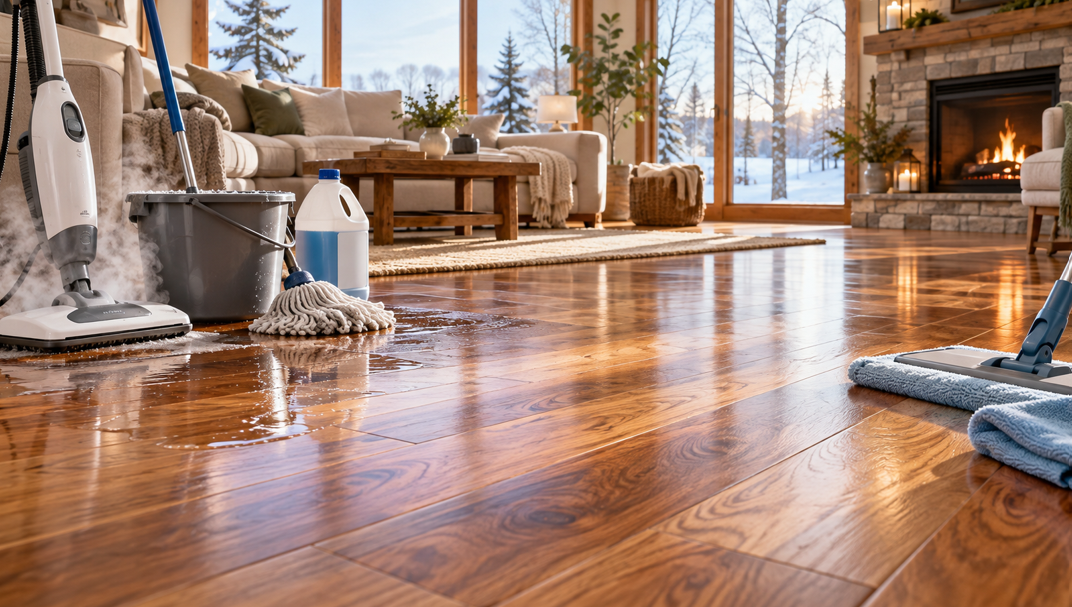
Hardwood flooring is known for its warmth, character, and long-term appeal, but it also attracts plenty of maintenance advice that is outdated, oversimplified, or simply wrong.
For Wisconsin homeowners, that can create confusion. Should hardwood be mopped with lots of water? Does every scratch mean refinishing is needed? Is winter dryness always damaging? Are strong cleaners better because they leave a floor looking extra shiny?
Not necessarily.
The way hardwood performs depends on the type of floor, the finish, household activity, and the conditions inside the home. Wisconsin adds another layer because flooring has to deal with snow, road salt, spring mud, humid summers, and dry heated interiors during winter.
For more than 25 years, Carpetland USA Flooring Center has helped homeowners across Southeastern Wisconsin choose and care for flooring that fits local homes and lifestyles. Clearing up a few common hardwood maintenance myths can make it easier to protect a floor without overcleaning, overcorrecting, or worrying about normal signs of use.
Myth 1: Hardwood Floors Need Lots of Water to Get Properly Clean
One of the most common misconceptions is that more water creates a deeper clean.
For hardwood flooring, that approach can create more problems than benefits.
Why Excess Water Is a Concern
Wood can react to moisture.
When too much water sits on the surface or works its way between boards, it can contribute to:
Swelling
Raised edges
Finish damage
Discoloration
Changes in plank shape
This is especially important around seams and edges where moisture may be harder to remove quickly.
A Better Cleaning Approach
Routine hardwood cleaning usually works best with less moisture.
Homeowners can focus on:
Sweeping loose debris
Vacuuming with a floor-safe setting
Using a microfiber dust mop
Lightly damp cleaning when approved by the flooring manufacturer
The goal is to remove dirt without saturating the floor.
Wisconsin Makes Moisture Management More Important
During winter, wet boots can carry melting snow and slush indoors.
Entryways in Germantown, Kenosha, Racine, West Allis, and other Wisconsin communities may see repeated moisture exposure.
Using mats near exterior doors and wiping up water promptly can reduce the amount of moisture that reaches the hardwood.
Myth 2: Vinegar Is Always the Best Natural Cleaner for Hardwood
Vinegar is often recommended as an all-purpose household cleaner.
That does not mean it is automatically the best choice for every hardwood finish.
Why Natural Does Not Always Mean Appropriate
Vinegar is acidic.
Depending on the floor finish and how it is diluted, repeated use may affect the surface over time.
The bigger issue is that hardwood finishes vary. A cleaner that works on one type of floor may not be suitable for another.
Follow Product-Specific Guidance
The safer approach is to check:
Flooring manufacturer recommendations
Finish manufacturer guidance
Approved cleaning products
Dilution instructions where applicable
This takes the guesswork out of routine maintenance.
Avoid Homemade Mixtures Without Knowing the Finish
Online cleaning advice can make homemade solutions sound universal.
They are not.
Oil soaps, waxes, vinegar mixtures, steam cleaners, and strong detergents can all interact differently with modern floor finishes.
When in doubt, use a product designed for the specific type of hardwood and finish in the home.
Myth 3: Every Scratch Means the Floor Needs Refinishing
Scratches are one of the first signs homeowners notice on hardwood, but not every mark means the entire floor needs refinishing.
Surface Marks Are Different From Deep Damage
Some scratches affect only the finish.
Others may reach the wood itself.
Minor surface marks may be manageable through routine care, manufacturer-approved touch-up methods, or small repairs.
Look at the Scale of the Problem
Refinishing becomes more worth considering when:
Scratches are widespread
The finish has worn away in traffic paths
Large areas look dull
Damage affects multiple rooms
The surface no longer feels protected
A few marks near dining chairs or a busy hallway are very different from widespread finish failure.
Prevention Still Helps
Furniture pads, area rugs, and regular removal of grit can reduce unnecessary scratching.
This matters during Wisconsin winters because road salt, sand, and fine debris can act like abrasives when tracked indoors.
Removing them regularly can help preserve the surface.
Myth 4: Hardwood Floors Should Always Look Perfect
Hardwood is a natural material.
Part of its appeal comes from variation, character, and the way it changes over time.
Expecting a floor to remain completely flawless can lead homeowners to overreact to normal wear.
Normal Character Can Include
Depending on the floor, homeowners may notice:
Small surface marks
Slight color variation
Minor seasonal gaps
Natural grain differences
Changes in sheen across high-traffic areas
These do not automatically mean the floor is failing.
Distinguish Wear From Damage
Normal wear develops gradually.
More serious concerns might include:
Deep gouges
Large areas of exposed wood
Persistent cupping
Widespread cracking
Boards lifting
Repeated moisture damage
Understanding the difference helps homeowners avoid unnecessary repairs.
A hardwood floor can still look beautiful and perform well even if it shows subtle signs of daily life.
Myth 5: Stronger Cleaning Products Work Better
A cleaner that smells stronger or cuts through grime quickly is not automatically better for hardwood.
In fact, aggressive products can damage finishes or leave residue behind.
Avoid Harsh Chemicals Unless Approved
Potentially unsuitable cleaners can include:
Abrasive products
Strong degreasers
Bleach-based cleaners
Ammonia-heavy formulas
Products not designed for hardwood
These may dull or weaken certain finishes.
More Product Is Not Better Either
Using too much cleaner can leave a film.
That buildup may make floors look streaky or dull even though the surface is technically clean.
Following the recommended amount can provide a better result.
Keep the Routine Simple
A practical hardwood cleaning routine often comes down to:
Remove loose debris.
Clean using an approved product.
Use only the recommended amount of moisture.
Allow the floor to dry normally.
Address spills promptly.
Simple care is often more effective than constantly switching between strong cleaning products.
Myth 6: Steam Mops Are Safe for All Hardwood Floors
Steam cleaning looks convenient because it uses heat and moisture rather than traditional cleaning chemicals.
The problem is that steam combines 2 factors hardwood can be sensitive to: heat and water.
Why Steam Can Be Risky
Steam can move moisture into seams or small openings.
Depending on the flooring and finish, this may contribute to:
Finish deterioration
Moisture penetration
Plank movement
Edge damage
Not every hardwood manufacturer approves steam cleaning.
Check Before Using One
Homeowners can review the care instructions for their specific floor.
If steam cleaning is not clearly approved, it is safer to choose another method.
A microfiber mop and approved hardwood cleaner can often provide effective routine maintenance without introducing unnecessary moisture.
Myth 7: Winter Gaps Mean the Floor Is Damaged
Small gaps between hardwood boards during winter can worry homeowners.
In many cases, some seasonal movement is normal.
Why Gaps Can Appear
Wisconsin winters bring cold outdoor temperatures and dry indoor air.
Heating systems can lower indoor humidity, causing wood to release moisture and contract slightly.
That can create small gaps between boards.
Seasonal Movement Can Reverse
When humidity rises again in spring or summer, some gaps may become smaller or close.
That is very different from large, permanent gaps that remain throughout the year.
When Gaps Deserve More Attention
A professional assessment may be useful when:
Gaps are unusually wide
Boards are separating across many areas
Planks move underfoot
Gaps remain unchanged through multiple seasons
Other signs of installation or moisture problems are present
Homeowners can look at the overall pattern rather than judging the floor based on one seasonal change.
Myth 8: Hardwood Needs Constant Polishing or Waxing
A shiny floor may look well maintained, but frequent polishing or waxing is not automatically good for every hardwood floor.
Modern finishes often require different care than traditional wax-finished floors.
Too Much Product Can Cause Buildup
Repeated polishing may leave:
Residue
Uneven shine
Cloudiness
Slippery areas
Problems when future refinishing is needed
Know the Finish Before Adding Anything
Some hardwood floors have factory-applied finishes.
Others may have polyurethane or other surface treatments.
Wax products can interfere with certain finishes.
Before using polish or wax, homeowners can confirm what type of finish is on the floor and whether the product is compatible.
Routine cleaning may be all that is needed to maintain appearance between professional maintenance cycles.
Myth 9: Hardwood Is Too Delicate for Busy Homes
Hardwood is sometimes described as a flooring option that only suits low-traffic or formal rooms.
That is a myth.
Many hardwood products can perform very well in active homes when the species, finish, and maintenance routine match the household.
Modern hardwood flooring options include a wide range of species, finishes, plank constructions, and performance features designed for different lifestyles.
Busy Homes Can Still Enjoy Hardwood
Helpful strategies include:
Choosing a suitable wood species
Using protective pads under furniture
Keeping pet nails maintained
Removing grit regularly
Using rugs in high-traffic zones
Cleaning spills promptly
Surface Hardness Is Only One Factor
A harder species may resist dents more effectively, but finish quality, household habits, and installation conditions also matter.
Homeowners can consider how a room is used rather than assuming hardwood is automatically too fragile.
Myth 10: Pet Homes and Hardwood Do Not Mix
Pets can create extra wear, but that does not mean hardwood is off the table.
The key is realistic maintenance.
Pet-Related Wear Can Be Managed
Homeowners can reduce surface marks by:
Keeping nails trimmed
Placing mats beneath water bowls
Cleaning accidents quickly
Vacuuming pet hair and grit
Using rugs in busy pet pathways
Finish and Species Matter
Some floors hide everyday wear better than others.
Textured finishes, natural grain patterns, and medium-toned wood can sometimes make small marks less noticeable than very smooth, dark floors.
Choosing the right combination can make hardwood much more practical for pet-friendly households.
Myth 11: Refinishing Can Fix Every Hardwood Problem
Refinishing can restore many hardwood floors, but it is not a universal solution.
Refinishing Can Help With
Depending on the floor, it may improve:
Surface scratching
Worn finish
Minor discoloration
Dullness
Small cosmetic imperfections
It Cannot Solve Every Issue
Refinishing will not correct:
Ongoing moisture problems
Severe structural movement
Major subfloor issues
Deep water damage
Certain engineered hardwood limitations
Some engineered floors can be refinished, while others have thinner wear layers that limit how many times sanding is possible.
The product construction needs to be considered before deciding.
Myth 12: Hardwood Maintenance Takes a Lot of Time
Hardwood has a reputation for being high maintenance, but routine care can be straightforward.
The most effective approach is consistency rather than intensive cleaning.
A Simple Weekly Routine
For many homes, maintenance may involve:
Sweeping or vacuuming
Dust mopping
Cleaning spills promptly
Using an approved hardwood cleaner when needed
Seasonal Habits Help Too
In Wisconsin, homeowners can adjust routines throughout the year.
During winter:
Use entry mats
Remove salt and grit regularly
Wipe up snowmelt quickly
During spring:
Watch for mud and tracked moisture
During humid summer periods:
Maintain comfortable indoor humidity where possible
These small habits can help protect the floor without turning maintenance into a major household task.
Better Hardwood Care Starts With Knowing What the Floor Actually Needs
Many hardwood maintenance myths come from treating every wood floor the same.
In reality, care depends on:
Wood species
Floor construction
Finish type
Installation method
Household activity
Indoor humidity
Manufacturer recommendations
The best maintenance routine is often simpler than homeowners expect.
Avoid excess moisture. Use approved cleaning products. Remove abrasive grit. Protect high-traffic areas. Monitor seasonal changes without assuming every gap or scratch is a problem.
Hardwood can be a beautiful, durable choice for Wisconsin homes when it is cared for appropriately.
Carpetland USA Flooring Center offers a broad selection of hardwood styles and knowledgeable guidance for homeowners throughout Southeastern Wisconsin. For help understanding hardwood options, maintenance needs, or the best flooring fit for a particular home, get in touch with the team.


